
Writing sdrawkcab
What I do when I am stuck in the middle

I have been writing forward my whole life.
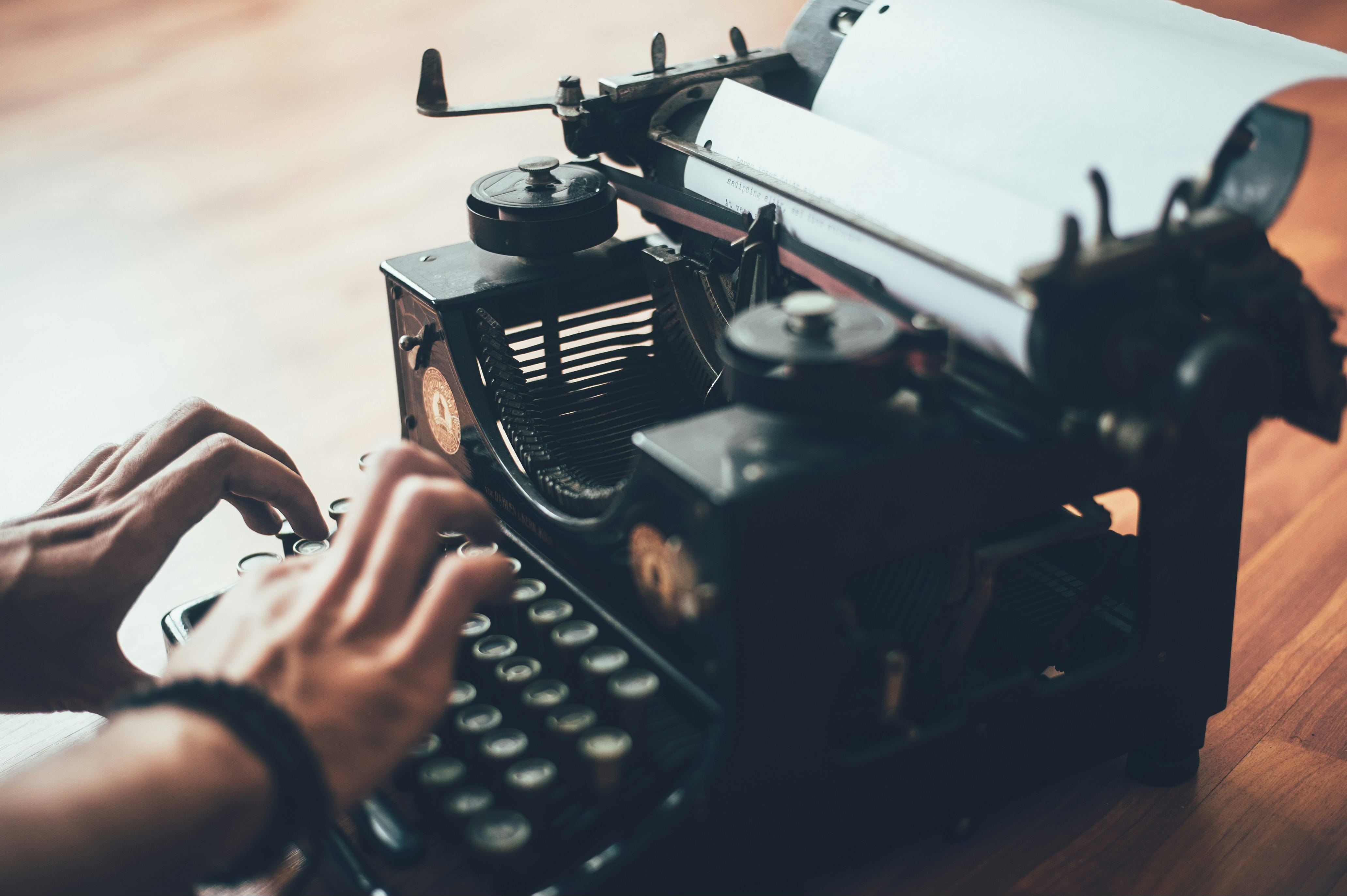
Photo by Glenn Carstens-Peters on Unsplash
I sit at my computer and click away, driving the ball down the bumpy road toward the climax and conclusion, working in order, the way I think that I think. But I may have been wrong.
I am not alone in this discovery.
“I write the last line, and then I write the line before that. I find myself writing backwards for a while, until I have a solid sense of how that ending sounds and feels. You have to know what your voice sounds like at the end of the story, because it tells you how to sound when you begin.” - John Updike
“If you know who the characters are at the end of the story, you’ll know how much you should reveal about them at the beginning.” - Amanda Patterson
“Writing the ending first gives the author plenty of time to work toward it, consistently writing the story with the ending in mind.” - Ann Gordon
Now, I am not talking about having the ending in mind and writing toward it. Plotters do that all the time. No, I am talking about sitting down and writing a draft of the ending to get unstuck in the middle.
In my latest WIP (work-in-progress), I have a fourteen-year-old protagonist making his way home. He is a Connecticut Yankee whose Southern grandfather authorized his enlistment in the Confederate Army as a scout against the boy’s will. At the Battle of Manassas in 1861, he sees an opportunity to desert. He is trying to get home while avoiding capture by both sides.
Normally, I write scene after scene, chapter by chapter, in sequence, but in the back of my mind, I know that getting home is only half the problem. He will still be a deserter and possibly a traitor.
Photo by Aaron Burden on Unsplash
So, I struggled with that thought, and it kept interfering with my writing. That is when I decided to write the ending of the story before proceeding with the middle.
I realize I am becoming more of a plotter than a pantser.
I have planned my endings before and found that when I got there, the ending I forced on my characters didn’t work, so I may have the same problem here. But for now, having written the last chapter, I feel I know where I am going.
But, having written the last chapter, I wanted to know what happens immediately before that. How did he get to where he is at the end?
So, I wrote the chapter before that, and then the one before that, until I had five chapters at the end of my book.
Now what?
Back to the middle.
There are real challenges in writing this way. Some of the gear and weapons he is carrying in the middle are with him in the end, while others are not.
A note about the way I write as a pantser: If something happens organically, like he loses his gear, or gets wounded, and I haven’t dealt with that by the last chapter, I make a note to resolve it, but I let the creative juices flow.
I had tried in the past to force the outcome, and that doesn’t work. The story begins to feel manipulated.
So, I move the story forward while writing the ending backward, and I plan to fix the issues in the next draft, unless they resolve themselves along the way.
Now, I am not advocating doing any of this. I am no John Updike, Amanda Patterson, or Ann Gordon. I am just a writer who tries things to see if they work for him.
I share them with you because you too may be struggling with that muddy middle and need to see the light at the end of the novel.
More to come…
I usually write my 1st scene & my last scene. Then I need to figure it all out. Get from a to b.
Plotting with a pantser enthusiasm? 🤷♀️
I like this train of thought.